Yes. A well-designed onboarding and offboarding policy is more than a procedural checklist; it’s a strategic framework that directly supports operational efficiency, protects organisational knowledge, and strengthens internal coordination.
Effective onboarding does more than welcome new hires; it accelerates their productivity by clarifying responsibilities and enabling a smooth integration into the company’s culture, systems, and workflows. When employees know what to do and how to do it from day one, teams experience fewer errors, reduced training friction, and faster contribution to organisational goals.
Organisations that formalise both onboarding and offboarding processes consistently report higher productivity, reduced operational risks, strengthened teamwork, and better resource optimisation, all of which contribute to measurable work efficiency.
This blog explores how structured onboarding and offboarding enhance work efficiency and provides actionable steps for organisations to implement them effectively.
Key Takeaways
- Streamlined employee transitions: Structured onboarding and offboarding reduce confusion and operational delays.
- Faster engagement and role clarity: New hires understand expectations and contribute effectively from day one.
- Knowledge retention and continuity: Offboarding ensures critical information is documented and transferred, preventing workflow disruptions.
- Enhanced team performance and culture: Consistent HR processes improve coordination, retention, and employee satisfaction.
- Reduced operational inefficiencies: Organisations without formal policies face higher risks, increased errors, and lower productivity.
What Is an Onboarding & Offboarding Policy?
Onboarding policy: An onboarding policy is a clear, documented process that helps new employees settle into their roles smoothly and confidently. Its main goal is to ensure that every hire has the right tools, information, and support to become productive as quickly as possible.
A well-designed onboarding policy usually covers:
- Employment documentation and compliance
- Training, orientation, and cultural alignment
- Access to systems, tools, and internal platforms
- Role responsibilities and performance expectations
The objective is to ensure that every new employee quickly understands their role, gains access to essential tools and systems, completes onboarding tasks efficiently, and receives the guidance needed to become productive from day one.
According to SHRM, structured onboarding programs lead to 54% higher productivity and 50% better retention in the first year (SHRM). Formal onboarding keeps 69% of employees longer than three years, versus 29% without it.
Offboarding Policy: An offboarding policy is a clear, structured process that facilitates a smooth transition for employees as they leave an organisation, while ensuring business operations remain secure and uninterrupted. It applies to resignations, contract completions, retirements, or any involuntary departures.
A comprehensive offboarding process typically includes:
- Return of company assets
- Knowledge transfer and task
- Exit documentation and feedback collection
- Revocation of system access and credentials
Therefore, effective offboarding ensures employees exit smoothly while protecting company knowledge, maintaining data security, and supporting seamless operations. Moreover, it leaves a positive, professional impression that strengthens the employer brand and organisational continuity.
According to HR Daily, companies can lose up to 25% of knowledge without offboarding, while LinkedIn reports that onboarding and offboarding together boost efficiency by 30%.
Does an Onboarding and Offboarding Policy Ensure Work Efficiency?
Work efficiency doesn’t depend only on how employees work—it also depends on how smoothly they enter and exit an organisation. Every time a new employee joins or an existing employee leaves, the flow of information, responsibilities, and collaboration shifts. Without a structured approach, these transitions often create uncertainty, slow down productivity, and disrupt operations.
A comprehensive onboarding policy ensures new hires are quickly aligned with organisational goals, fully oriented to tools and processes, and equipped to contribute with confidence, reducing learning curves and minimising avoidable errors. Equally, a well-managed offboarding policy secures knowledge transfer, protects systems and data, clarifies role handovers, and preserves continuity, so the organisation doesn’t lose momentum when employees move on.
Together, onboarding and offboarding policies create a consistent framework that standardises transitions, maintains workflow stability, reduces operational risks, and strengthens team coordination. When these processes are formalised, organisations operate more predictably, teams stay productive, and business performance remains steady—even during workforce changes.
How Onboarding Policies Boost Work Efficiency?
Onboarding policies drive work efficiency by eliminating early-stage confusion and giving new hires everything they need to perform from the start. When employees receive clear expectations, timely system access, and structured guidance, they begin contributing sooner and make fewer mistakes. Standardised onboarding workflows shorten ramp-up time, reduce operational delays, and increase engagement across teams
Key benefits of an effective onboarding policy include:
- Faster role clarity – Employees understand job responsibilities and performance expectations from the start.
- Immediate access to tools and systems – Minimises dependency on colleagues and accelerates productivity.
- Structured training and orientation – Helps new hires adapt to company culture and workflows quickly.
Higher engagement and confidence – Employees feel supported, valued, and motivated to perform.
How Offboarding Policies Boost Work Efficiency?
Work efficiency isn’t only shaped by how employees join an organisation it is equally influenced by how they leave. Offboarding policies strengthen operational performance by ensuring that departures are handled through a structured, predictable process rather than rushed or improvised steps. When knowledge transfer, task handovers, asset retrieval, access revocation, and feedback collection are all managed systematically, organisations minimise disruption and maintain continuity across teams and projects.
Key benefits of effective offboarding include:
- Smooth handover of responsibilities – Critical tasks are completed and properly delegated.
- Knowledge retention – The documentation and transfer of insights prevent the loss of institutional expertise.
- Data and security protection – Access to systems and sensitive information is revoked systematically.
- Operational continuity – Ongoing projects and team performance remain unaffected.
The Combined Impact on Work Efficiency
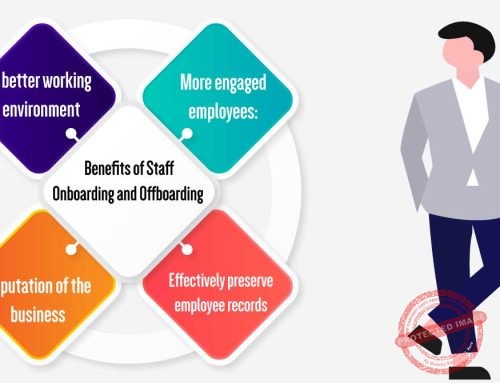
When onboarding and offboarding policies are implemented together, they create a seamless employee lifecycle. Clear processes reduce downtime, maintain consistent workflows, and foster accountability across teams. Employees transition in and out of roles without affecting operational efficiency, leading to improved project delivery, higher productivity, and a stronger organisational culture.
Outcome of Onboarding and Offboarding Policy
Implementing structured onboarding and offboarding policies delivers measurable outcomes for businesses:
- Enhanced productivity – Employees become effective faster and maintain performance.
- Stronger knowledge management – Critical information is retained and transferred efficiently.
- Improved security and compliance – Systems and data remain protected during transitions.
- Higher employee satisfaction and retention – Positive onboarding and offboarding experiences build loyalty and engagement.
- Operational continuity – Teams can adapt to changes without workflow disruptions, ensuring smooth business operations.
Ultimately, onboarding and offboarding policies serve as strategic frameworks that turn employee transitions into opportunities to enhance efficiency, boost productivity, and support sustainable business growth.
Employee Onboarding and Offboarding Process
Employee transitions, whether joining or leaving, are critical moments that directly impact productivity, team efficiency, and business continuity. A well-planned onboarding and offboarding process transforms these transitions from potential disruptions into strategic opportunities. Effective onboarding accelerates new hires’ contributions, while structured offboarding protects knowledge, secures data, and ensures projects continue without interruption. Together, these processes create a smoother workflow, stronger teams, and a more resilient organisation.
Onboarding Process
A structured offboarding process is essential for organisations to manage employee departures smoothly while safeguarding sensitive information, retaining critical knowledge, and ensuring uninterrupted business operations. Beyond simply closing out employment, effective offboarding provides opportunities to gather feedback, enhance HR practices, and strengthen organisational efficiency and resilience.
7 Steps to Effective Offboarding
- Notification and Planning – HR and managers collaborate to prepare for the employee’s departure, establish timelines, and plan role transitions to minimise disruption.
- Knowledge Transfer – Document and share critical tasks, workflows, and project insights to ensure organisational knowledge is retained and accessible to successors.
- Task Handover – Reassign responsibilities and ongoing projects to relevant team members to maintain workflow continuity and prevent operational gaps.
- System Access Revocation – Securely remove access to software, internal systems, and sensitive company data to protect security and compliance.
- Asset Collection – Retrieve company property such as laptops, ID cards, devices, and confidential documents efficiently and systematically.
- Exit Interview – Conduct structured interviews to collect feedback, identify areas for improvement, and enhance HR processes and workplace practices.
- Final Documentation – Complete all legal, compliance, and payroll formalities to formally close the employment record and maintain accurate HR documentation.
By implementing these seven steps, organisations ensure new employees integrate seamlessly, understand their responsibilities, and begin contributing productively from day one.
Offboarding Process
A structured offboarding process is essential for organisations to manage employee departures smoothly while safeguarding sensitive information, retaining critical knowledge, and ensuring uninterrupted business operations. Beyond simply closing out employment, effective offboarding provides opportunities to gather feedback, enhance HR practices, and strengthen organisational efficiency and resilience.
7 Steps to Effective Offboarding
- Notification and Planning – HR and managers collaborate to prepare for the employee’s departure, establish timelines, and plan role transitions to minimise disruption.
- Knowledge Transfer – Document and share critical tasks, workflows, and project insights to ensure organisational knowledge is retained and accessible to successors.
- Task Handover – Reassign responsibilities and ongoing projects to relevant team members to maintain workflow continuity and prevent operational gaps.
- System Access Revocation – Securely remove access to software, internal systems, and sensitive company data to protect security and compliance.
- Asset Collection – Retrieve company property such as laptops, ID cards, devices, and confidential documents efficiently and systematically.
- Exit Interview – Conduct structured interviews to collect feedback, identify areas for improvement, and enhance HR processes and workplace practices.
- Final Documentation – Complete all legal, compliance, and payroll formalities to formally close the employment record and maintain accurate HR documentation.
Therefore, implementing these seven steps ensures employees exit professionally while preserving knowledge and securing data. Moreover, a structured offboarding strengthens the employer brand and supports long-term organisational growth.
Common Onboarding and Offboarding Mistakes to Avoid
Even the most structured onboarding and offboarding processes can face challenges if certain mistakes are made. Common errors that can reduce employee productivity, knowledge retention, and overall HR efficiency include:
- Skipping pre-boarding preparation – Delays employee productivity and smooth integration.
- Failing to document knowledge during offboarding Leads to loss of critical organisational information.
- Ignoring feedback from new hires or departing employees – Missed opportunities to improve processes.
- Leaving system access or company assets unmanaged – Creates security risks and operational gaps.
Conclusion
Structured onboarding and offboarding policies are more than HR formalities; they are strategic tools that transform employee transitions into opportunities for efficiency, productivity, and sustainable business growth.
By guiding new hires through a smooth integration and ensuring departing employees leave professionally, organisations maintain operational continuity, reduce risks, and foster a stronger, more engaged workforce. Clear, standardised processes empower employees, protect institutional knowledge, and support long-term organisational success.
Frequently Asked Questions (FAQs)
The best onboarding process combines pre-boarding preparation, role-specific training, mentorship, and regular check-ins to help new hires become productive quickly while feeling supported and engaged.
Structured offboarding ensures sensitive information is secured, access to systems is revoked, and knowledge transfer is documented, preventing loss of critical organisational data and maintaining workflow continuity.
Effective onboarding typically spans the first 30–90 days, including orientation, training, and mentorship, to ensure employees fully understand their roles and contribute confidently.
Skipping pre-boarding tasks, failing to assign mentors, unclear role expectations, and neglecting feedback collection can reduce efficiency, delay productivity, and impact employee engagement.
Yes. Smooth onboarding increases early engagement and job satisfaction, while professional offboarding leaves a positive impression, enhancing long-term retention and employer branding.
Clear policies minimise disruptions during employee transitions, ensure knowledge transfer, and maintain workflow continuity, resulting in higher team productivity and operational efficiency.
Remote offboarding ensures secure access revocation, proper knowledge transfer, and formal closure of responsibilities, which is crucial for data security and smooth remote team operations.